








What Your Cat’s Reaction to Treats Really Says About Them


If you’re anything like us, you can’t help but pounce maniacally at the first sight of an open chocolate bar, wildly devouring the contents like a ravenous beast without thinking of sharing. No? Just us? Err, maybe we should move on…
The fact is, everyone reacts to treats differently – and the same is true for cats. But have you ever wondered what your cat’s response to a tasty snack reveals about who they really are?
Whether they sniff, hesitate, or meow loudly for more, a cat’s treat-time behavior can tell you a surprising amount about their personality – and even about your relationship together. In fact, understanding the meanings of your cat’s behavior during treat time can help us recognize moments of trust and support their well-being with the right kind of enrichment.
So, what treats do cats like, and what do their reactions really say about them? Let’s take a look.
Why Treat Reactions Are So Telling
When you spot a cat eating, they’re not only eating – they’re also communicating. From their body language to their vocalizations, every reaction offers clues about how they’re feeling in that moment. And treat time is especially revealing because it taps into several of your cat’s natural instincts at once.
Cats are natural hunters and explorers, which means treats are often more than just food – they trigger curiosity, excitement, and even a sort of mini-hunting behavior. When you offer treats through puzzle feeders or simple hide-and-seek games, you’re giving your cat a chance to express these instincts in safe, enriching ways.
When a cat feels free to communicate and explore these natural behaviors around you, their reactions become a window into your relationship. Many of us wonder, “does my cat like me?”, and observing how confidently (or cautiously!) your cat interacts with treats can offer surprisingly helpful clues.

What Your Cat’s Treat Behavior Really Means
Now, that’s enough of the preamble. Let’s take a look at what different treat-time behaviors in cats really mean.
Cats Who Snatch Treats Instantly
If your cat darts over the moment they hear the treat bag, tail high and perhaps accompanied by a few excited cat treat noises, they’re showing eagerness and strong food motivation. This kind of approach often signals:
-
A strong positive association with you
-
A friendly, outgoing temperament
-
A high level of motivation for food and fun
Their enthusiasm suggests they know good things come from you, and they’re not shy about showing it. These cats are certainly comfortable acting on instinct in your presence!
Cats Who Sniff Suspiciously
Cats rely heavily on scent to interpret the world, so a careful sniff is their way of gathering information. This considered behavior may indicate:
-
A naturally cautious personality
-
Dislike of a certain smell, flavor, or texture
-
A desire to assess their surroundings before eating
This hesitation is completely normal: cats are adept at detecting subtle changes in scent and environment, and they’re likely to be cautious when offered a new treat or flavor. If your cat prefers to get to know the treat first, they may also appreciate more gentle enrichment. You could try scent exploration with catnip, silvervine, or even boxes filled with dry leaves and hidden treats.

Cats Who Walk Away Without Touching Their Treat
If your cat simply walks off, they may not be especially motivated by food, or they may be unsure about the treat’s aroma or texture. Other possible explanations include:
-
They’re full
-
They don’t like the particular flavor
-
They’re feeling stressed or distracted
-
There’s an underlying health issue reducing appetite
Because changes in appetite can be significant, consult your vet if your cat suddenly stops accepting any treats or food they previously enjoyed. This is especially noticeable if your cat usually makes eager cat treat noises at snack time, but it’s just as important to watch out for if your cat is usually on the quieter side.
If it’s simply the case that your cat isn’t very food motivated, it may be worth considering a different form of interaction if you want to offer a reward during training or are working on building your bond. For example, you could try petting around their head and neck or playing with a favorite toy.
Cats Who Bat Treats Around Before Eating
Some cats like to tap, chase, or pounce on the treat as if it were prey. This playful reaction shows:
-
Strong hunting instincts
-
A desire for interactive fun
-
A lively personality that enjoys stimulation
For these cats, treats are both a toy and a snack. Play-based rewards work beautifully during training sessions – try rolling small treats across the floor or hiding them within a box or puzzle feeder for extra mental engagement.
Cats Who Gently Take Treats From Your Hand
If your cat approaches softly and takes the treat delicately from your fingers, they’re showing deep trust – one of the sweetest cat behavior meanings! This indicates:
-
Comfort in your close presence
-
A calm personality
-
A sense of safety
-
A strong bond and positive association with you
For many pet parents wondering, “Does my cat like me?”, this behavior offers a reassuring yes.
Gentle treat-taking is also common in cats who enjoy cooperative care, such as grooming or carrier training. Using lickable treats like Happy Snack by FELIWAY® can further strengthen these positive associations.
Cats Who Only Accept Treats in Specific Places
Many cats feel safest eating in particular spots, such as on the sofa or at their feeding station. This behavior reflects:
-
A love of familiarity
-
A preference for predictable routines
-
A desire to feel safe when eating
This behavior links back to their natural need to eat safely. Cats feel vulnerable while eating, so choosing the right location reflects their desire for security, which they may not necessarily feel in all areas of your home.
Choosing their spot also shows how important territory and consistency are in understanding cat behavior meanings. We should always respect our cats’ preferences, especially in multi-cat homes, where giving treats separately is helpful for preventing tension.
What a Cat’s Body Language and Sounds Add to the Story
Treat behavior becomes even clearer when you look at the subtle body language and sounds that accompany it. These small details are a great way to enrich your understanding of your cat’s temperament.
Vocalizing for Treats
High-pitched meows, chirps, or impatient trills (those adorable cat treat noises) show anticipation and eagerness. Interestingly, it’s thought that cats use these vocalizations mainly with humans, not other cats – so these sounds reveal that they’re actively communicating with you!
Kneading During Treat Time
Kneading signals deep comfort and emotional warmth. If your cat kneads the blanket – or your lap – while enjoying a treat, they’re expressing contentment and trust.
Pawing at You
If your cat paws at you, they may be trying to get your attention (it is treat-time after all!), or they’re impatient and feel you are taking too long to prepare their treat. Talk about demanding!
Hesitation or Avoidance
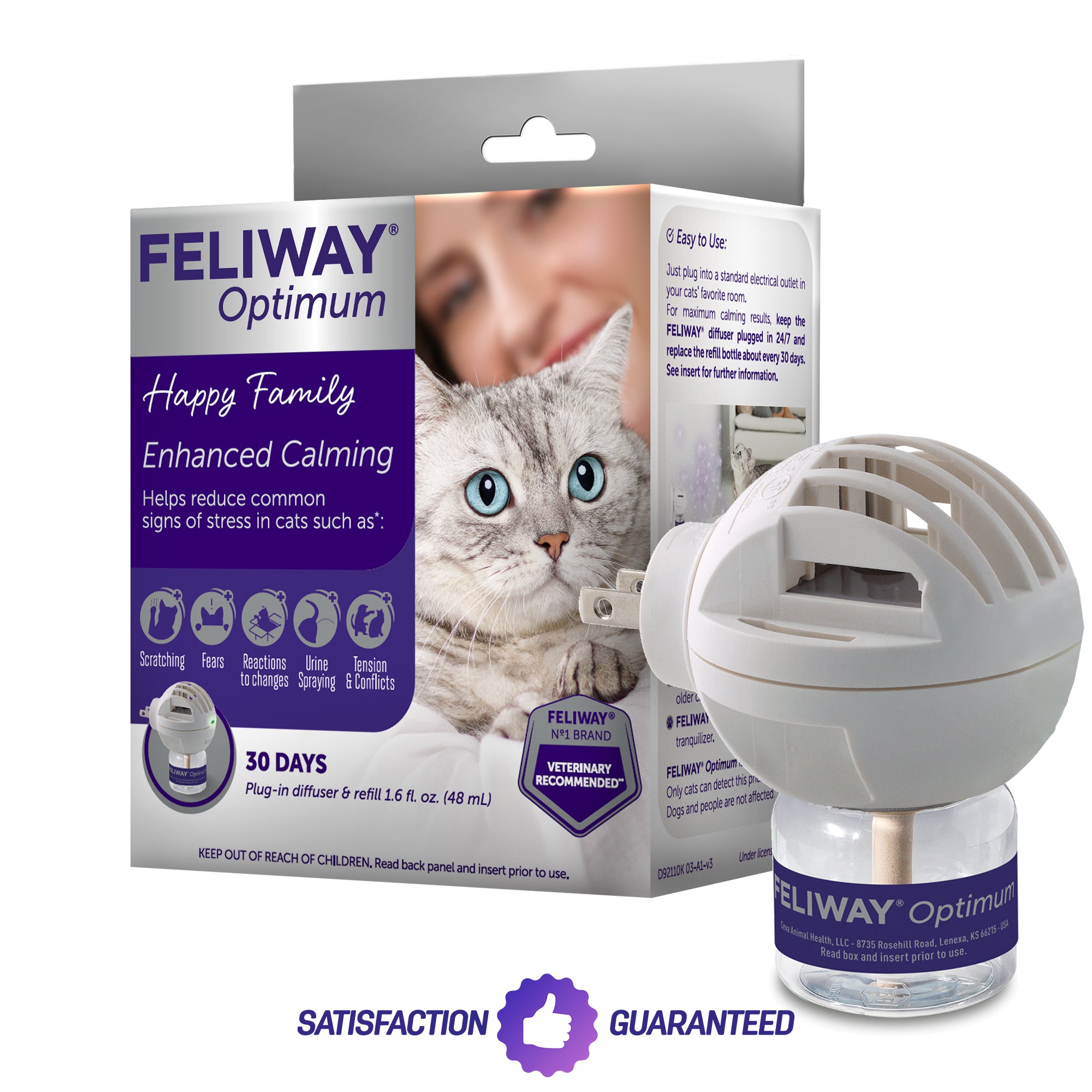
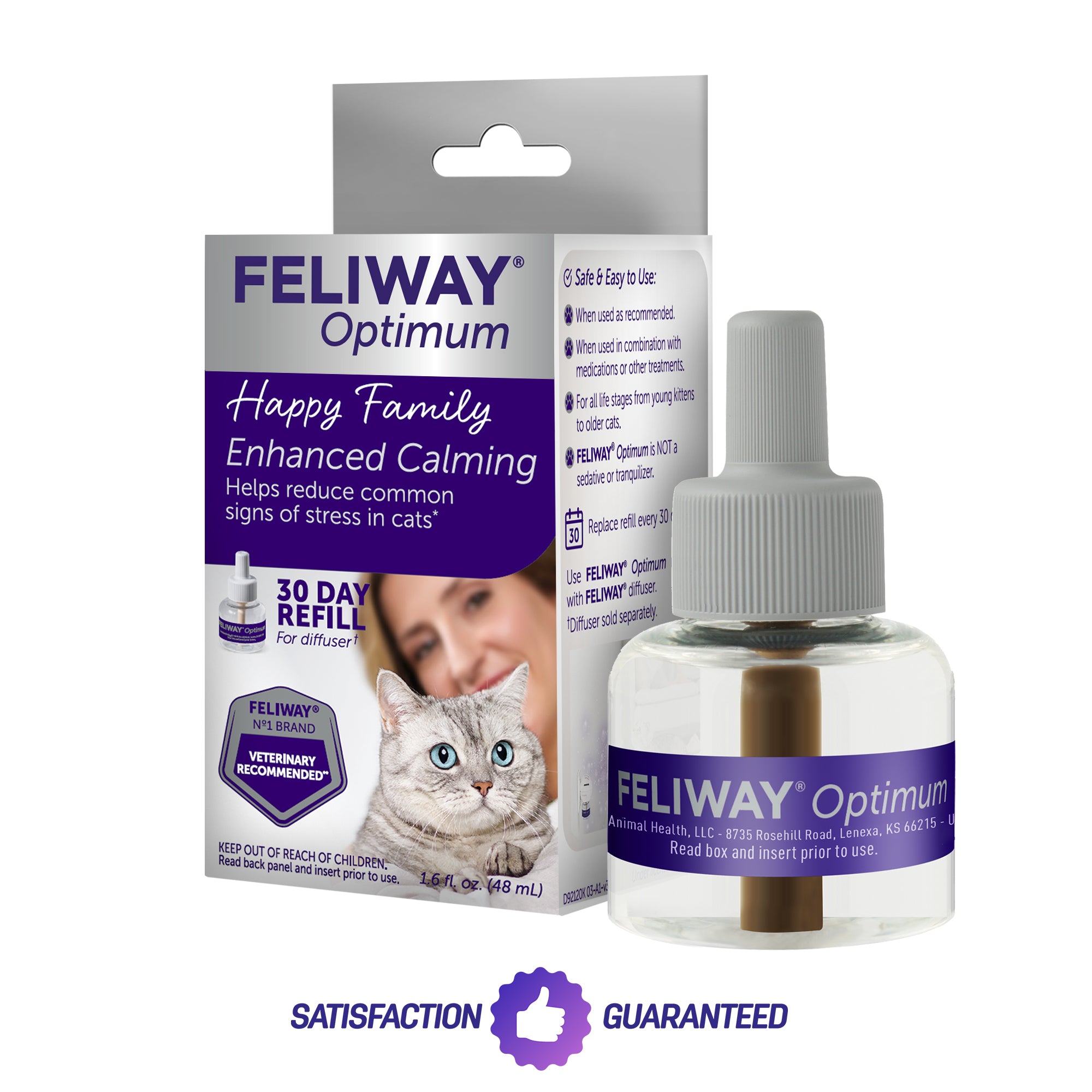
Flattened ears, tucked tails, or wide eyes during treat sessions reflect anxiety or uncertainty. This is often less about what treats cats like and more about the environment or situation. Giving your cat space and offering treats at a distance can help them feel more secure. Equally, you could try plugging in a FELIWAY® Optimum diffuser to create a more calming home environment for your cat.
When Treat Reactions Might Signal a Health Concern
Changes in treat behavior can sometimes indicate a deeper issue:
-
Increased hunger may signal medical conditions such as hyperthyroidism or diabetes
-
Reduced appetite can point to dental problems, nausea, pain, or stress
-
Refusing favorite treats is often an early sign that something isn’t right
Bear in mind that this list is far from exhaustive, and if you notice anything unusual, it’s important to speak to your vet sooner rather than later.
Support Your Cat’s Happiness with FELIWAY®
Treats are a great way to strengthen your relationship with your cat, plus it enriches their day and reveals meaningful insights into their personality. And what’s more, with Happy Snack by FELIWAY®, treat time can become an incredible opportunity to provide a little calming reassurance to your kitty!
This lickable snack contains alpha-caseozepine – a soothing natural milk protein – to help your cat feel more relaxed, all while sharing a special moment together. With delicious chicken and salmon flavors available, why not give it a go and offer some calmness straight from your fingertips?
For more expert advice on cat behavior meanings, well-being, and bonding, continue exploring the FELIWAY® blog. And don’t forget to sign up for our newsletter to receive regular tips and insights to keep your cat happy every day.