
















How To Stop Your Cat Fighting With Other Neighborhood Cats

Many cats enjoy watching the world go by from a windowsill, relaxing in the garden or exploring outdoors. However, unfamiliar cats appearing nearby can be a significant source of stress for some cats.
Cats are naturally territorial and do not always welcome unfamiliar cats into their space. This can sometimes lead to conflict between neighbouring cats, as they may fight to defend their territory if they feel threatened.
We all want to protect our kitties, but it can be difficult to know what your cat is experiencing when they’re outside.
If you notice that your cat is fighting a neighbor’s cat, it can be upsetting and leave you wondering what you can do to help. Understanding why these encounters happen is the first step towards reducing conflict and helping your cat feel more secure.
In this article, we’ll explore why your cat might be fighting with other cats, ways to tell if your cat is being targeted and how to stop cats fighting with neighbors’ cats to help prevent future conflicts.
Video : https://youtu.be/sXsYKqPBL00?si=jKm2mNeN304bOZ0J
Why Is My Cat Fighting With Neighbors’ Cats?
While fighting is common between cats that live together, it can also happen outside if your kitty thinks another cat has invaded their territory. It can be common for your cat to see neighborhood cats as a furry foe rather than a friend!
Other local cats might also feel like your cat is entering their territory, which can cause tensions between them to escalate. There are several reasons why your cat is fighting with neighbor’s cats, including:
Territorial Behavior
Cats leave scent markers in their territory by rubbing their face on objects, scratching surfaces, and urine spraying. These scent marks help cats feel familiar with their environment while also letting other cats know they have been there.
Discovering the scent marks of another cat in your cat's territory can disrupt their sense of security. This may lead to increased scent marking and, if the cats come into contact, conflict between them. Even seeing an unfamiliar cat sitting outside through a window or glass door can trigger a strong response!
Personality Differences
Some kitties are more territorial or confident than others, and you may find that there is a neighborhood cat bullying your cat or other cats in the area.
Each cat has a unique personality and temperament, which can influence how they respond to unfamiliar cats and situations.
Different personalities can also affect relationships between cats living in the same home. Conflict may be present when cats are first introduced or develop over time, even between sibling cats or cats that previously had a harmonious relationship.

Why Do Neighbors’ Cats Keep Attacking My Cat?
If you feel that a neighborhood cat is bullying your cat, repeated encounters may be happening because one or both cats perceive the other as a threat.
Whether they are protecting their own territory or competing for access to the same space and resources, these interactions can lead to ongoing conflict.
If you suspect your cat is being bullied by a neighborhood cat, the signs may include:
-
Avoiding going outdoors
-
Hiding or appearing nervous after being outside
-
Returning home with injuries
-
Being chased or blocked from entering the home
-
Increased stress-related behaviors such as spraying or scratching objects. For some cats, ongoing conflict with neighboring cats may also contribute to redirected behavior towards other cats living in the home.
How To Stop Cats Fighting With Neighbor’s Cats
1. Give Your Cat Their Own Space
Cats often prefer having their own space and resources. That’s why it’s important to be aware of your fur-babies’ needs for space and make sure that each of your cats has easy access to their own resources, such as food and water bowls, litter trays, beds, toys, scratching places, and resting spaces.
In multi-cat households, distributing resources across different areas of the home can help cats feel safe, avoid competition, and cope more comfortably with social pressures from both resident and neighborhood cats.
2. Prevent Other Cats From Entering Your Home
If your cat is being targeted by other cats, you may worry about how to stop a neighbor’s cat coming into your house. One option is an electronic cat door that uses your cat’s microchip or collar tag.
This ensures that only your cat can access their home, or a specific room, allowing them to rest in a safe haven undisturbed by the aggressor cat.
3. Safely Interrupt Cat Conflict
While it's always best to try to prevent conflict, you can safely try to interrupt cats fighting from a distance, such as making a sudden loud noise by clapping your hands or attracting your cat back home with something they enjoy, such as shaking a packet of treats or a favourite toy.
However, it is important not to be aggressive towards fighting cats. Avoid shouting directly at the cats or chasing them, as this could increase arousal and tension in the moment. Never try to physically separate or punish your cats, as this can result in unintentional injuries. If you do need to intervene physically, use a barrier such as a large piece of cardboard to help separate them safely.

4. Consider Keeping Them Indoors Temporarily
If a neighbour’s cat keeps attacking your cat, it may be best to keep them inside temporarily to prevent further conflict and help them regain their confidence and feel safe again. This is especially important if your cat is mild-mannered and is regularly being ambushed by a neighbourhood cat, as they may be at greater risk of injury.
Make sure your cat has time to settle, has access to their favorite hiding places, resting areas and all the resources they need while indoors. If they are used to spending time outside, regular play sessions and other forms of mental stimulation can help keep them active and engaged.
5. Rule Out Any Health or Behavioral Causes
If your cuddly bundle of joy keeps fighting and you suspect that they are the perpetrator, make sure that they're feeling healthy. It’s always important to check that your kitty isn't experiencing any underlying health issues that could be causing the behavior.
You may also want to consider getting help from a qualified animal behaviorist. They can help you understand and manage your cat’s behavior and recommend practical ways to manage ongoing conflict.
6. Help Your Cat Feel Calm After Conflict
After conflict, a cat’s confidence can be knocked, and you may notice changes in their body language and behaviour.
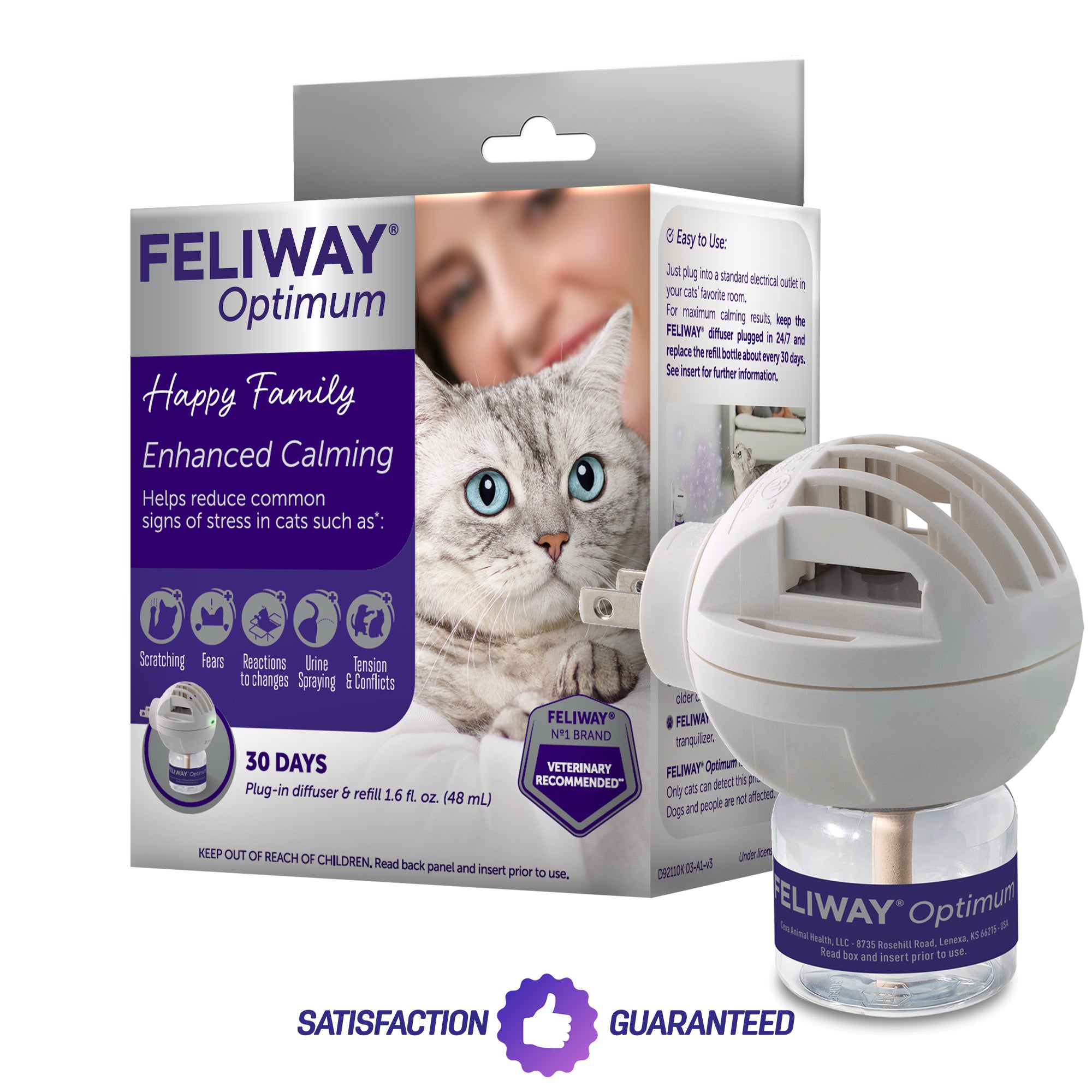
Plugging FELIWAY® Optimum into your kitty’s safe space at home can help them feel relaxed and secure in their environment by releasing comforting pheromone messages. The message of enhanced serenity helps cats to feel more reassured in their home and helps support them during times of conflict.
How Can I Prevent Future Cat Fights With Neighbors’ Cats?
It can be distressing if your cat is getting into fights with other cats, but following these tips can help to restore harmony in your neighborhood.
If there's a particular cat that is causing chaos, speaking to the other cat parents may help you find a solution together. And remember that keeping your cat indoors is a good way to protect them from fighting and help them recover from conflict.
If possible, avoid letting your cat out at times when other cats are most active, such as after dark, as it can be harder to monitor them. If your cat is distressed by seeing neighborhood cats through a window, blocking their view may also help reduce stress.
For cats that enjoy spending time outdoors, a secure catio or cat-proof fencing can provide a safe way to explore while reducing encounters with other cats.
If you can hear conflict happening, go outside to see what's going on, as your presence may cause the other cat to retreat.
If you’d like to know more about how to prevent cat conflict, our tips to help your cats get along can help you understand more about cat behavior and ways to manage tension.
For more information about understanding cat conflict behavior, be sure to explore all our articles online. Or to receive the latest news straight into your inbox, sign up to our newsletter, and we’ll keep you in the loop with all the latest FELIWAY® guides and info.